
If Your Vision Has Been Gradually Getting Worse After 50, Researchers Are Examining Why It May Accelerate.
Many adults describe the same experience: stronger prescriptions each year, more glare at night, increasing blur when reading or recognizing faces at a distance.
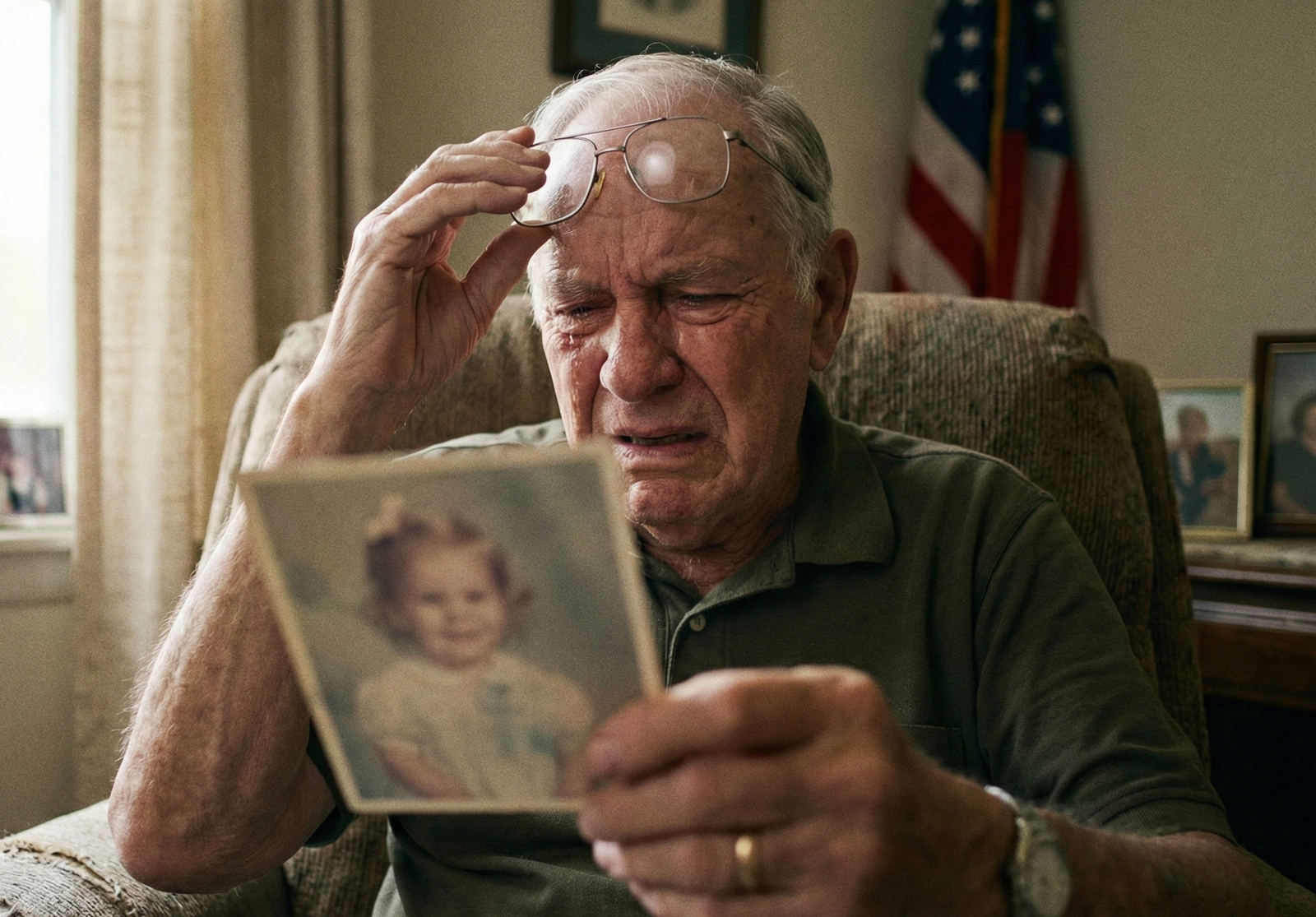
For years, this pattern has been attributed primarily to aging. But new high-resolution imaging technologies are allowing scientists to observe biological changes inside the eye that were previously invisible.
Understanding the Eye's Internal Balance
Your eyes contain specialized repair cells designed to help maintain clarity and structural stability. Under normal conditions, these cells respond to daily exposure to light and environmental stress.
However, emerging laboratory findings suggest that certain protein accumulations may reduce how efficiently this internal system functions over time.
When this balance shifts, symptoms such as cloudiness, distortion, floaters, or difficulty driving at night may become more noticeable.

Why This Discussion Is Receiving Attention
The presentation explains how researchers identified this protein activity, what imaging technology revealed, and why some experts believe it may help broaden our understanding of progressive visual changes beyond age alone.
It does not promote surgery or invasive procedures. Instead, it focuses on scientific observations regarding internal biological mechanisms.